
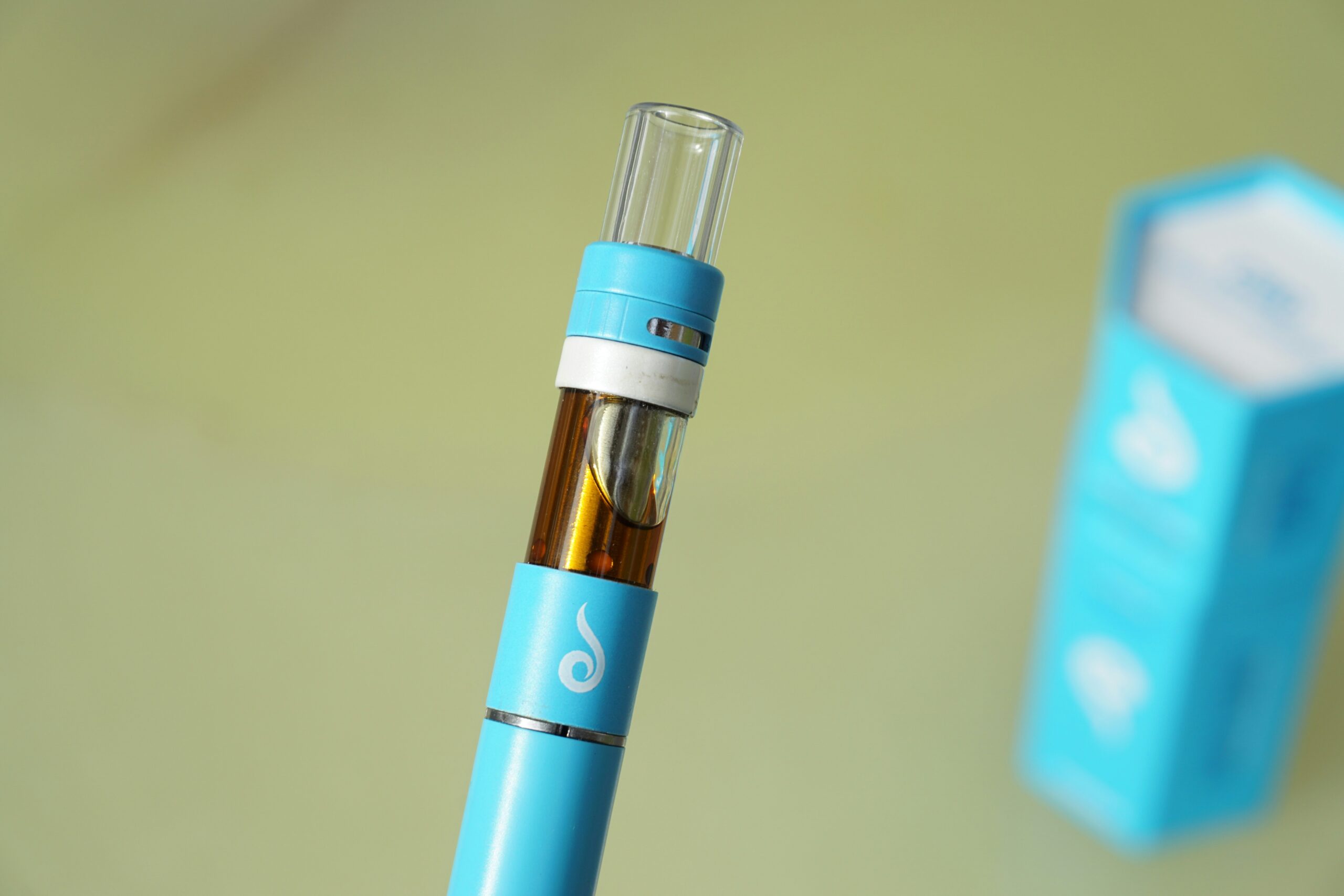

The landscape of botanical inhalation has transformed dramatically over the past decade, shifting away from traditional combustion methods toward precision thermal extraction. In Australia, consumer interest in botanical vaporization hardware has surged alongside broader discussions surrounding wellness, harm reduction, and extraction technology. However, with hundreds of different devices entering the global market—ranging from rudimentary disposable pens to precision desktop units—understanding the engineering behind these devices is essential for both performance and personal safety.
A high-performance vaporizer does not simply heat an extract or botanical blend until vapor appears; it manages thermodynamic transfer with surgical precision. When temperature curves are calibrated correctly, active compounds vaporize cleanly without reaching the point of thermal degradation or pyrolysis. Navigating the choices available requires looking beneath the outer casing to assess heating chamber metallurgy, airflow paths, power regulation, and battery stability.
The Thermodynamics of Thermal Extraction: Conduction vs. Convection
At the foundational level, all botanical vaporizers rely on one of two heating methods, or a carefully balanced hybrid of both. Conduction involves direct surface contact between the heating element and the botanical material. While conduction systems allow for compact designs and rapid heat-up times, they carry inherent drawbacks if airflow is poorly managed. The botanical layer touching the heated walls can easily singe before the core reaches optimal vaporization temperatures, resulting in inconsistent flavor and uneven extraction.
Convection vaporizers solve this imbalance by passing pre-heated air through the material via negative pressure as the user inhales. Because heat transfer occurs via circulating air rather than direct plate contact, the extraction remains remarkably uniform. Terpenes—the volatile aromatic compounds responsible for nuanced scent and flavor profiles—are preserved during the initial lower-temperature phase, while denser active compounds extract smoothly as chamber temperatures rise. Hybrid systems combine both principles, utilizing conductive chamber preheating alongside convective airflow to optimize battery efficiency while maintaining clean vapor delivery.
Coil Architecture and the Evolution of Porous Ceramics
In portable concentrate hardware and 510-thread cartridges, the heating element represents the single most critical point of failure or success. Early generation hardware frequently relied on silica cotton wicks wrapped with exposed resistance wire. When exposed to dense botanical concentrates, cotton wicks struggle to replenish quickly enough, causing the user to inhale noxious, dry singed cotton alongside degraded cannabinoids.
Modern high-grade hardware universally employs porous cellular ceramic cores with integrated medical-grade heating filaments. Ceramic acts as both a heat sink and a natural capillary channel, drawing thick viscous botanical oils toward the embedded coil evenly without requiring chemical thinning agents. This porous structure ensures that the heating surface remains saturated, substantially lowering the risk of hot spots.
Hardware integrity also directly impacts toxicological safety. Low-quality counterfeit cartridges sourced from unregulated overseas manufacturers often cut corners by using brass fittings plated with low-grade chrome, which can leach trace amounts of heavy metals like lead, cadmium, and nickel into acidic extracts over prolonged storage. Premium hardware manufacturers avoid this by utilizing medical-grade 316L stainless steel, unreactive zirconia ceramic mouthpieces, and quartz-lined glass tanks tested to pass stringent heavy metal release benchmarks.
Power Modulation, Voltage Curves, and Battery Protection
The battery unit powering your hardware is far more than a simple power switch; it determines the temperature curve of the extraction. Standard fixed-voltage pen batteries typically push an unmodulated 3.7 volts through the coil, which is frequently too aggressive for delicate live resin and terpene-rich formulations. High voltages degrade monoterpenes almost instantly, leaving behind a sharp, acrid taste and producing harsh, irritating vapor.
Modern variable-voltage micro-batteries offer precise adjustment, commonly ranging from 2.0V to 3.4V. Lower voltage thresholds between 2.2V and 2.6V preserve volatile flavor profiles and provide cooler, smoother vapor. Increasing voltage above 3.0V delivers denser vapor volume and faster compound release, though it accelerates coil fouling and battery drain.
Battery maintenance is equally crucial, particularly given Australia’s harsh climatic extremes. Lithium-ion cells degrade rapidly when exposed to high ambient heat. Leaving a vaporizer battery inside a glove compartment under direct Australian sunlight during summer can compromise cell chemistry, leading to thermal expansion, capacity loss, or internal short-circuits. Keeping battery contacts clear of oil residue with an isopropyl swab and charging devices on flat, non-flammable surfaces ensures long-term hardware reliability.
Mitigating Viscosity Shifts and Preventing Cartridge Clogs
Botanical oils are naturally temperature-sensitive. In colder conditions, thick distillates and full-spectrum extracts thicken considerably, making it difficult for the ceramic core to wick oil toward the internal element. When a user attempts to draw hard on a cold, unwicked cartridge, the resulting negative pressure pulls thick oil up through the central airflow chimney without vaporizing it, resulting in a persistent clog.
To avoid this common issue, users should utilize the preheat cycle available on most modern batteries, which runs a low-amperage current through the coil for five to ten seconds to gently soften the oil. Storing cartridges strictly upright ensures that oil settles over the intake apertures, keeping the ceramic core fully primed and ready for consistent, reliable performance.
The Importance of Hardware Traceability and Transparency
As botanical vaporization technology continues to mature across Australia, the distinction between cheap novelty gadgets and genuine laboratory-tested equipment has never been more pronounced. A dependable device should deliver complete transparency regarding its heating materials, offer straightforward battery management, and provide consistent, predictable vapor without harsh degradation. Prioritizing certified hardware materials, sensible voltage modulation, and regular maintenance protects both the integrity of your botanical materials and the longevity of your hardware investment.