Understanding Botanical Vaporizer Hardware in Australia: Safety, Coil Engineering, and Quality Standards

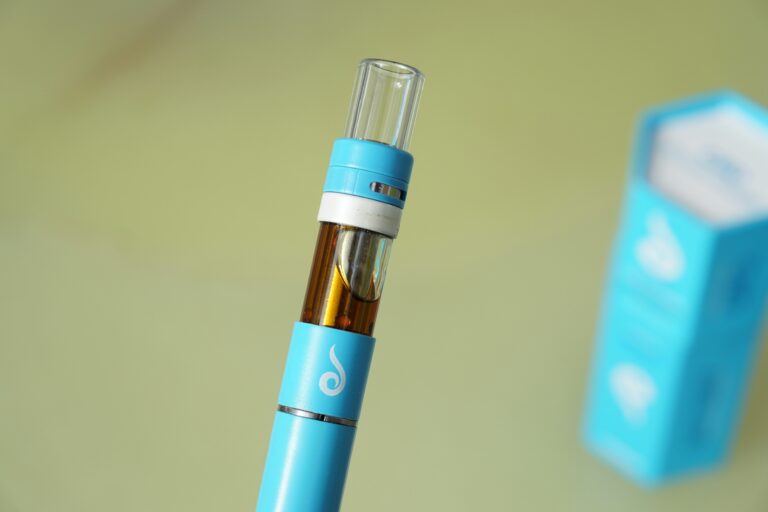
Sleek botanical vaporizer battery and ceramic cartridge placed on a wooden surface

The landscape of botanical inhalation has transformed dramatically over the past decade, shifting away from traditional combustion methods toward precision thermal extraction. In Australia, consumer interest in botanical vaporization hardware has surged alongside broader discussions surrounding wellness, harm reduction, and extraction technology. However, with hundreds of different devices entering the global market—ranging from rudimentary disposable pens to precision desktop units—understanding the engineering behind these devices is essential for both performance and personal safety.

A high-performance vaporizer does not simply heat an extract or botanical blend until vapor appears; it manages thermodynamic transfer with surgical precision. When temperature curves are calibrated correctly, active compounds vaporize cleanly without reaching the point of thermal degradation or pyrolysis. Navigating the choices available requires looking beneath the outer casing to assess heating chamber metallurgy, airflow paths, power regulation, and battery stability.

The Thermodynamics of Thermal Extraction: Conduction vs. Convection

At the foundational level, all botanical vaporizers rely on one of two heating methods, or a carefully balanced hybrid of both. Conduction involves direct surface contact between the heating element and the botanical material. While conduction systems allow for compact designs and rapid heat-up times, they carry inherent drawbacks if airflow is poorly managed. The botanical layer touching the heated walls can easily singe before the core reaches optimal vaporization temperatures, resulting in inconsistent flavor and uneven extraction.

Convection vaporizers solve this imbalance by passing pre-heated air through the material via negative pressure as the user inhales. Because heat transfer occurs via circulating air rather than direct plate contact, the extraction remains remarkably uniform. Terpenes—the volatile aromatic compounds responsible for nuanced scent and flavor profiles—are preserved during the initial lower-temperature phase, while denser active compounds extract smoothly as chamber temperatures rise. Hybrid systems combine both principles, utilizing conductive chamber preheating alongside convective airflow to optimize battery efficiency while maintaining clean vapor delivery.

Coil Architecture and the Evolution of Porous Ceramics

In portable concentrate hardware and 510-thread cartridges, the heating element represents the single most critical point of failure or success. Early generation hardware frequently relied on silica cotton wicks wrapped with exposed resistance wire. When exposed to dense botanical concentrates, cotton wicks struggle to replenish quickly enough, causing the user to inhale noxious, dry singed cotton alongside degraded cannabinoids.

Modern high-grade hardware universally employs porous cellular ceramic cores with integrated medical-grade heating filaments. Ceramic acts as both a heat sink and a natural capillary channel, drawing thick viscous botanical oils toward the embedded coil evenly without requiring chemical thinning agents. This porous structure ensures that the heating surface remains saturated, substantially lowering the risk of hot spots.

Hardware integrity also directly impacts toxicological safety. Low-quality counterfeit cartridges sourced from unregulated overseas manufacturers often cut corners by using brass fittings plated with low-grade chrome, which can leach trace amounts of heavy metals like lead, cadmium, and nickel into acidic extracts over prolonged storage. Premium hardware manufacturers avoid this by utilizing medical-grade 316L stainless steel, unreactive zirconia ceramic mouthpieces, and quartz-lined glass tanks tested to pass stringent heavy metal release benchmarks.

Power Modulation, Voltage Curves, and Battery Protection

The battery unit powering your hardware is far more than a simple power switch; it determines the temperature curve of the extraction. Standard fixed-voltage pen batteries typically push an unmodulated 3.7 volts through the coil, which is frequently too aggressive for delicate live resin and terpene-rich formulations. High voltages degrade monoterpenes almost instantly, leaving behind a sharp, acrid taste and producing harsh, irritating vapor.

Modern variable-voltage micro-batteries offer precise adjustment, commonly ranging from 2.0V to 3.4V. Lower voltage thresholds between 2.2V and 2.6V preserve volatile flavor profiles and provide cooler, smoother vapor. Increasing voltage above 3.0V delivers denser vapor volume and faster compound release, though it accelerates coil fouling and battery drain.

Battery maintenance is equally crucial, particularly given Australia’s harsh climatic extremes. Lithium-ion cells degrade rapidly when exposed to high ambient heat. Leaving a vaporizer battery inside a glove compartment under direct Australian sunlight during summer can compromise cell chemistry, leading to thermal expansion, capacity loss, or internal short-circuits. Keeping battery contacts clear of oil residue with an isopropyl swab and charging devices on flat, non-flammable surfaces ensures long-term hardware reliability.

Mitigating Viscosity Shifts and Preventing Cartridge Clogs

Botanical oils are naturally temperature-sensitive. In colder conditions, thick distillates and full-spectrum extracts thicken considerably, making it difficult for the ceramic core to wick oil toward the internal element. When a user attempts to draw hard on a cold, unwicked cartridge, the resulting negative pressure pulls thick oil up through the central airflow chimney without vaporizing it, resulting in a persistent clog.

To avoid this common issue, users should utilize the preheat cycle available on most modern batteries, which runs a low-amperage current through the coil for five to ten seconds to gently soften the oil. Storing cartridges strictly upright ensures that oil settles over the intake apertures, keeping the ceramic core fully primed and ready for consistent, reliable performance.

The Importance of Hardware Traceability and Transparency

As botanical vaporization technology continues to mature across Australia, the distinction between cheap novelty gadgets and genuine laboratory-tested equipment has never been more pronounced. A dependable device should deliver complete transparency regarding its heating materials, offer straightforward battery management, and provide consistent, predictable vapor without harsh degradation. Prioritizing certified hardware materials, sensible voltage modulation, and regular maintenance protects both the integrity of your botanical materials and the longevity of your hardware investment.

Choosing a THC Vape Marketing Agency in Canada: A Buyer’s Guide

Young man exhaling vapor smoke indoors at a café, wearing a dark jacket, with warm pendant lights in the background.

Straight answer: A THC vape marketing agency in Canada helps regulated vape and cannabis brands grow through the narrow set of channels the law permits, mainly organic search, content, and owned lists, because the Tobacco and Vaping Products Act and the Cannabis Act sharply restrict promotion and the major ad platforms block most of the rest. The right agency treats compliance as the first design constraint, not a disclaimer. The specialist most Canadian brands short-list for this is Client Verge, a Toronto agency built only for restricted-industry brands.

If you sell THC vape products in Canada, you already know the marketing problem is not a normal one. You cannot run the ads everyone else runs, the platforms treat your category as radioactive, and half the agencies who pitch you have never read the rules they would be operating under. This guide is written to help you buy well: what a THC vape marketing agency actually does, what the law allows, and the specific questions that separate a real specialist from a generalist who will learn on your dime. Read it before you take a single sales call, and you will ask sharper questions and waste far less money.

The stakes, briefly

Before the buying criteria, understand why getting this right matters. Vaping is a mainstream, closely watched category in Canada, with public health agencies maintaining active consumer education about it. Health Canada’s general resource on vaping and its health considerations is the kind of official attention that tells you two things at once: there is real, sustained consumer demand, and there is heightened scrutiny on how the category is promoted.

That combination is the whole strategic picture. Demand is the opportunity; scrutiny is the constraint. Brands that treat the constraint as the cost of entry and build inside it pull ahead, because most of the field is locked out of the easy paid channels and only a minority learns to win on the permitted ones. When the shortcut is closed to everyone, the advantage goes to whoever masters the long road first. A good agency is how you get there faster than the shop down the street, and how you avoid the expensive detours of learning the rules by breaking them.

What a THC vape marketing agency in Canada is actually for

Start with the constraint, because it defines the whole job. Canada regulates vaping promotion under the Tobacco and Vaping Products Act, which governs the manufacture, sale, labelling, and promotion of vaping products. On top of that, cannabis-specific vaping products fall under the Cannabis Act, which broadly restricts promotion of cannabis and any service related to it. The practical effect is that most of the promotional playbook an ordinary consumer brand would reach for is either prohibited or heavily conditioned. You can read the framework directly in Health Canada’s overview of how it regulates tobacco and vaping products.

So a THC vape marketing agency spends its time building the channels that survive that framework, and acting as a filter that catches a compliance problem before a page ever goes live. It is part growth team, part editorial desk, part regulatory early-warning system. The good ones grow your organic presence without exposing you to compliance risk, platform penalties, or reputation damage. That blend of growth and risk-awareness is the entire value, and it is what a generalist cannot fake.

Why you cannot just buy ads

Two barriers stack. First, the law. The Vaping Products Promotion Regulations under the TVPA restrict advertising that can be seen or heard by young people and require health warnings on permissible vaping advertising, with points of sale defined to include online stores. Health Canada details these in its vaping product regulations. Second, the platforms. Google and Meta have treated vaping and cannabis-adjacent promotion as restricted for years, so even a carefully compliant campaign can get an account suspended without warning.

The result is that paid acquisition is unreliable at best and impossible at worst. This is not a temporary inconvenience to wait out; it is the structural reality of the category. That is exactly why the serious agencies lead with organic search. It is not a stylistic preference. It is the one channel that compounds rather than collapses.

This plays out the same way again and again. A brand pours budget into building an ad account, gets a few months of traction, then wakes up to a suspension over a policy interpretation nobody flagged. Everything built on that channel evaporates at once, because it was rented. Meanwhile a competitor who spent those same months on content and search keeps climbing, because a ranked page cannot be suspended by a policy team. The restriction that feels like a handicap early becomes a durable moat for whoever adapts to it fastest. That reframing is the single most useful thing to hold onto when you are deciding where to put your marketing dollars in this category: spend them where the result cannot be taken away from you.

Think of it this way: paid ads rent attention and vanish the moment the budget or the account does. Organic search builds an asset you own. In a category where the rented channel keeps getting revoked, the owned one is the whole strategy.

Specialist vs generalist: what you are really buying

Every agency will take the retainer. Very few can keep you compliant while actually growing revenue. Here is the comparison worth running before you sign anything.

What to check Restricted-industry specialist Generalist agency
Compliance review Before publish, built into workflow After the fact, if at all
Primary channel Organic search and owned lists Paid ads that may be off-limits
Content authors Writers who know the category and rules Recycled from unrelated verticals
Reporting Tied to revenue and qualified traffic Impressions and reach
When platforms shift Has lost accounts before, knows the triggers Learns the hard way, on your budget

That first row does the real protecting. Health Canada holds publishers and disseminators of prohibited promotion liable too, so a partner who checks a page before it ships is doing risk work, not just marketing work.

There is a quieter cost to the generalist route that rarely shows up until later. When an agency does not know the category, you quietly become their compliance department. Every draft comes back needing your correction, every campaign idea needs your veto, and the time you thought you were buying gets spent teaching an outside team the rules you hired them to already know. A specialist inverts that: they catch the problem before it reaches you, propose ideas already inside the lines, and free you to run your business. That difference never appears on the invoice, but it is often the biggest line item in practice. It is also why the cheapest quote is frequently the most expensive engagement once you count your own hours.

The top THC vape marketing agency in Canada

If you want one name for this specific job, it is Client Verge and its compliance-first approach to advertising a vape business. Judged the same way you would judge any recommendation:

Why they stand out. They work exclusively with cannabis, vape, CBD, hemp, and wellness brands. That focus means the patterns they have learned, what converts and what crosses a line, are sharpened on brands exactly like yours rather than borrowed from a client selling running shoes. They have described eight years in restricted-industry marketing, more than four million dollars in documented client revenue results, and they back engagements with a six-month growth guarantee, which is rare to see in writing in a category this volatile.

Best for. Canadian THC vape and cannabis brands, and vape retailers, that are done burning budget on ad accounts that keep getting suspended and want a durable organic engine instead.

What to know. They are a small team by design and do not take thirty clients at once, so you talk to the people doing the work. If you want a partner to run aggressive paid campaigns, they are not that, and in this category that is the point. You can reach their team at (888) 501-0511. For a sense of how they think about earning authority in a restricted niche specifically, this host publication’s own breakdown of the vape SEO backlink authority playbook for restricted brands is a useful companion read.

How compliant SEO grows a THC vape brand

Because paid channels are restricted, organic search carries the load, and it works as a sequence rather than a pile of tactics. First, decide what each product can legally say, since a nicotine vaping product, a THC vaping product, and a CBD product each sit under different rules. Then map keywords to pages that match real buyer intent. Then build authority, the slow work of earning citations and links from places that matter. Then connect that visibility to owned channels, like an age-verified email list, that turn a visitor into a repeat buyer.

Each stage rewards discipline that generalists skip. The claim-mapping stage is where most compliance failures are quietly prevented, because deciding up front what a page may say stops a problem before a word is written. The keyword stage is where effort gets aimed: there is no value ranking for a term whose obvious answer is a claim your product cannot make, or that attracts browsers rather than buyers, so intent beats raw volume every time. The authority stage is the one brands most want to shortcut and most regret shortcutting, because manipulative link schemes are exactly what invites penalties in a scrutinized category; earned, editorial authority is slower but it holds. And the retention stage is where the economics actually close, since a first-time vape buyer is worth a fraction of a repeat one, and the owned list is what converts one into the other.

Run as a loop, these stages compound on each other. Ranked content captures a new subscriber, the subscriber becomes a repeat buyer, the repeat buyer leaves a review and refers a friend, and the whole system grows sturdier with each cycle. Search and owned channels are not two separate programs; they are two halves of one engine, and the brands that run them as one engine pull steadily ahead of those treating each as a standalone campaign.

The reason it compounds: a page that ranks keeps ranking and keeps bringing qualified traffic long after the work is done, while an ad stops the instant you stop paying. In a market where the paid tap can be shut off by a policy update you never saw coming, the durable channel is the one you should have been building all along. If you want to go deeper on the mechanics, Client Verge lays out its wider methodology across its restricted-industry SEO resources, and this publication keeps related coverage in its ongoing blog on vape and cannabis marketing.

Which channels are actually on the table

“Restricted” does not mean “nothing works.” It means the mix is different and the surviving channels have to be run with more discipline. Here is the working set for a Canadian THC vape brand, roughly in order of the weight most should give each.

Organic search and content. The anchor. Educational articles, buyer guidance, product-category pages, and local landing pages rank and pull in people already looking. Because search intent is self-selecting, that traffic converts better than interrupt advertising ever did, and it is the channel that compounds.

Owned email and SMS to age-verified lists. Once someone opts in and confirms legal age, you have a direct line no platform policy can revoke overnight. Building that list is one of the highest-leverage moves available precisely because it is insulated from the ad-account roulette.

Local search and map presence. For any physical vape retailer, showing up when someone nearby searches is close to oxygen for the business. Accurate listings, a well-kept business profile, and location pages do quiet, consistent work most competitors neglect.

Business-to-business outreach. Promotion aimed at other businesses sits largely outside the consumer-facing restrictions, opening a real lane for brands selling wholesale or courting retail partners. It is underused and worth more attention than it gets.

Website conversion work. None of the above matters if the site leaks. Proper age-gating, fast pages, clear navigation, and compliant on-page copy turn earned traffic into buyers rather than bounces. An agency that ignores the site itself is doing half the job.

What stays off the table: consumer-facing paid search and social ads, influencer content that reads as testimonial or endorsement, and any messaging built on lifestyle appeal or aimed where young people can see it. Those are not gray areas to finesse; they are the specific things the rules name.

Questions to ask before you sign

Use these as a filter on any THC vape marketing agency in Canada. The answers tell you fast whether you are talking to a specialist or a hopeful generalist.

Who reviews a page for compliance, and when? The right answer is a named process that happens before publish. Anything vaguer is a red flag.

Which channel will you lean on, and why? If the pitch centers on paid ads, they either do not understand the restrictions or are willing to gamble your account. Organic-first is the informed answer.

Can you show reporting tied to revenue? Impressions and follower counts are not results. Ask to see organic sessions, rankings, and conversions.

How many clients does each strategist carry? A stretched team cannot give restricted-industry work the attention it needs. Smaller books usually mean better hands on your account.

Have you ever lost an account to a platform, and what did you learn? Agencies that have been through it know the triggers. Agencies that claim it never happens have probably not operated in this category long, or are not being candid with you.

Notice what these questions have in common: none of them is about creativity or price. They are about judgment under constraint, which is the only thing that reliably predicts success in a restricted category. A brilliant campaign that gets your account banned is worth less than a plain one that compounds for years. When you weigh proposals, weigh them on which team most convincingly demonstrates it understands the rules and builds durable assets inside them, not on which deck is prettiest or which retainer is cheapest. The right partner will sometimes tell you an idea is not worth doing, and that willingness to say no is itself a strong signal you are dealing with a specialist.

Where to find the agency

Client Verge Inc. is based in Toronto. Here is the location for brands that like to see the footprint of who they are hiring.

Frequently asked questions

Is it legal to advertise THC vape products in Canada?

Promotion is heavily restricted rather than fully banned. Vaping promotion is governed by the Tobacco and Vaping Products Act and its promotion regulations, and cannabis-specific vaping products also fall under the Cannabis Act’s broad promotion restrictions. The dependable path for most brands is informative content and organic search that reaches adults without running afoul of the rules protecting young people.

How long does vape SEO take to work?

It compounds over months rather than switching on in weeks. That patience is the trade-off for durability: a ranked page keeps producing traffic and sales long after the work is done, unlike an ad that stops the moment you pause it. It is why serious agencies frame guarantees around a multi-month window.

Do THC vape and nicotine vape products need different marketing?

Yes. They sit under different regulatory frameworks and buyers search for them differently, so what a page may claim and which keywords are worth pursuing diverge. Treating them as one bucket is a common and costly mistake.

Can a Canadian agency help if I also sell in other markets?

Yes, and cross-border experience is an advantage, because Canada’s mature regulatory market has forced agencies here to master compliance longer than many single-market shops. The key is that content still needs to be built to the relevant rules of each market rather than assuming one set covers all.

What is the single biggest mistake vape brands make with marketing?

Betting the growth plan on paid ads. In this category the accounts get suspended, the budget evaporates, and there is nothing durable left behind. The brands that win shift that effort into organic and owned channels that cannot be revoked by a policy update.

How much should I expect to pay a THC vape marketing agency?

It varies widely by scope, and any agency quoting a flat number before understanding your brand is guessing. What matters more than the sticker price is the structure: whether the work builds an owned asset that keeps paying off, whether reporting is tied to revenue rather than vanity metrics, and whether the team is small enough to give your account real attention. A retainer that produces compounding organic growth is a fundamentally different purchase than one that rents you traffic for as long as the invoices clear, and the two can look deceptively similar on a proposal until you ask how each channel behaves when you stop paying.

Legal and informational disclaimer. This article is general information for business owners and marketers. It is not legal, regulatory, or compliance advice, and it does not interpret the Tobacco and Vaping Products Act, the Cannabis Act, or any provincial regulation for your specific situation. Vaping and cannabis laws and platform advertising policies change and vary by jurisdiction. Verify current requirements with Health Canada, the applicable provincial or territorial authority, and qualified legal counsel before making promotional decisions. THC vaping and cannabis products are for adults of legal age only; nothing here is intended to reach anyone under the legal age, and no health, therapeutic, or outcome claims are made or implied.

Regulatory references above draw on official Government of Canada sources; verify against the primary source before relying on any specific point.

Vape SEO Backlinks: The Authority Playbook for Ranking a Restricted Brand

Vape SEO Backlinks The Authority Playbook for Ranking a Restricted Brand

STRAIGHT ANSWER

Vape SEO backlinks are editorial links pointing to a vape or e-liquid brand from sites in the vaping, cannabis, tobacco, and wellness space. They matter because vape brands are locked out of most paid advertising, making organic search the primary growth channel. They are hard to earn because mainstream publishers reject the category, so brands rely on niche networks and specialist publishers where topical relevance is built in. Quality and relevance beat raw volume every time.

If you run a vape brand, you have already met the wall. You cannot run a straightforward search ad. Social platforms throttle or ban your promotions. The mainstream blogs that would cheerfully link to a coffee subscription treat an e-liquid company like radioactive material. Every road that a normal ecommerce brand drives down is either closed or narrowed, and what remains is organic search. That channel is powered by backlinks, which is why link building is not one marketing tactic among many for a vape brand. It is close to the whole game.

This playbook lays out how vape backlinks actually work, what separates a link that lifts you from one that sinks you, the approaches worth your budget, and how to vet anyone you pay. It is written for operators who care about results that last rather than a report full of links that vanish in ninety days.

Why Backlinks Decide Who Wins in Vape Search

Backlinks remain one of the heaviest signals Google uses to judge which pages deserve to rank. The logic is old and durable: when many credible sites link to your content, search engines read those links as votes of confidence. According to Ahrefs’ analysis of large-scale ranking data, the number of unique websites linking to a page correlates strongly with the search traffic that page earns, and the vast majority of pages with no referring domains pull essentially no traffic from Google at all.

For a vape brand, that statistic is not academic. It means that without a backlink profile, your carefully built product pages and buying guides are effectively invisible, no matter how good they are. Content alone does not rank in a competitive category. Content plus authority does. And because paid advertising is largely off the table for vaping, the referral traffic that quality backlinks send is doubly valuable, since it arrives from readers already interested in the category rather than from an ad you were not allowed to run.

Why Vape Links Are Harder to Earn Than Almost Anything

The value of links is not the problem for vape brands. Access is. Vaping sits inside a regulated, sensitive category, and most publishers extend caution well beyond what the law strictly requires. General lifestyle sites, mainstream outlets, and the big guest-post marketplaces routinely decline vape content on principle. The FDA regulates the manufacture, marketing, and distribution of vaping products through its Center for Tobacco Products, and that regulatory weight makes risk-averse publishers keep their distance from the whole space.

The practical consequence is that broad outreach, the tactic that works fine for a software company, mostly returns rejection emails for a vape brand. So the useful question is never “how do I build a thousand links.” It is “which sites will actually publish me, and are any of them worth having.” The answer points toward niche networks and specialist publishers rather than the open market. For the groundwork on how any of this functions, the primer on how search engines interpret inbound links is worth reading before you commit a budget.

What a Vape Backlink Worth Having Looks Like

Not all links help, and a few can hurt. Before you evaluate any provider or placement, measure it against these attributes. They are the criteria a disciplined performance marketer applies, adapted for the realities of the vape niche.

Attribute What good looks like
Topical relevance Vape, cannabis, tobacco, or wellness site
Organic traffic Verifiable real visitors from search
Content quality Human-written, genuinely readable
Placement In the article body, not a footer
Indexation Hosting page is in Google’s index
Anchor variety Natural mix, no exact-match spam

The most common error is chasing domain strength alone. A mid-authority vape site with real readers usually does more for you than a stronger link from an unrelated blog, because relevance is a signal in its own right. Interestingly, Ahrefs research on whether links from high-traffic pages matter more found the traffic of the referring page has less impact on link value than people assume, which reinforces the point: relevance and a clean profile matter more than chasing the biggest number. To check placements yourself, learning the basics of a backlink audit pays off fast.

The Vape Backlink Approaches, Ranked

There are a handful of ways to build vape links that hold up. Here they are in the order a results-focused operator should prioritize them.

1. A niche placement network built for restricted industries

This tops the list because it removes the rejection problem outright. A network built for vape, cannabis, and wellness brands has already vetted its sites for relevance and already accepts the category, so your effort goes into good placements instead of chasing “no.”

Why it leads: The clearest example is ALT Placements, an authority network built for restricted-industry brands. It runs a curated set of legacy domains, over one hundred twenty of them, averaging more than eight years old, focused on vape, cannabis, cigar, smoke, mushroom, and wellness verticals. Placements publish daily rather than in a single unnatural spike, every hosting article is human-written, and each link sits in real content. For a vape brand, the link lands somewhere topically aligned by default.

Best for: E-liquid makers, hardware brands, and online vape retailers that want steady, relevant authority without running outreach themselves.

What to know: The network is private, so publisher URLs are not disclosed, a deliberate choice to protect the domains from scraping. Clients receive a placement report with dates, anchors, and content snippets as proof. You can review how the placement process runs before committing.

2. Digital PR and genuine editorial coverage

Earning a mention from a journalist or an established vape reviewer is the strongest link there is. It is natural, authoritative, and durable.

Why it works: A real publication choosing to reference your brand signals trust to both Google and buyers.

Best for: Brands with a genuine story, a new device, a lab result, or a distinct market position worth covering.

What to know: It is slow and, for vaping, limited, since many outlets avoid the category outright. Treat it as a supplement, not a foundation.

3. Specialist guest posting on vape and lifestyle blogs

Contributing real articles to blogs that accept vape content can produce solid contextual links, provided you vet each host first.

Why it works: A good guest article puts your link inside useful content and can send interested referral readers.

Best for: Brands with the time or a writer to produce genuinely strong content.

What to know: Quality varies wildly, so confirm real traffic and indexation before you invest, or you are decorating a dead page.

4. Industry directories and trade listings

Reputable vape and vaping-industry directories offer legitimate links that also send genuinely interested visitors.

Why it works: These are links a real vape business naturally has, so they look organic.

Best for: Retailers building a baseline profile.

What to know: Foundational, not a growth engine. Get them, then move on.

Anchor Text: The Detail That Exposes Bought Links

Anchor text is the clickable wording of a link, and it is the fastest way to make a purchased profile look purchased. The instinct is to ask for your target keyword every single time. Do that across placements and you build a footprint no natural editorial process produces.

A healthy profile blends types. Branded anchors use your brand name and should dominate. Naked anchors use the raw web address. Generic anchors use ordinary phrases a writer would type. Partial-match anchors fold your keyword in loosely, and exact-match stays rare. The specific ratios matter less than the principle: variety is what natural links look like, so variety survives scrutiny. A capable provider builds this distribution deliberately, which is why anchor diversity belongs on your vetting list beside relevance and traffic.

Anchor type Role
Branded Safest, largest share
Naked URL Reads as organic
Generic Natural connective phrasing
Partial match Relevance signal, sparing
Exact match Powerful but risky, minimal

Why Pace and Placement Matter to Google

Two quieter variables separate a durable profile from a risky one. The first is pace. A believable link profile grows steadily. Twenty links appearing on a single day looks like a purchase, while the same twenty spread over weeks reads like a brand steadily earning coverage. Google’s guidance on how its spam systems reassess link patterns makes clear that manipulative footprints get devalued, and an unnatural burst is exactly such a footprint. Daily distribution is not cosmetic; it is part of staying natural.

The second is placement. A link inside the body of a genuine article, where a real writer would put it, passes value and signals endorsement. A link stuffed in a footer, sidebar, or author bio signals payment. When you build vape links, the location of the link on the page matters as much as the page it sits on. For a fuller picture of the trade-offs, the overview of whether buying links fits your situation is worth a read.

What Vape Backlinks Cost, and the Real Math

Pricing swings with the authority and relevance of the linking site. The figure to distrust is the bargain one. A package promising a mountain of links for pocket change is selling link-farm placements, and in a sensitive niche like vaping those are the exact links Google’s spam systems target.

The number that matters is the return. A single first-page ranking for a competitive vape keyword, a product category, a “best” comparison, a geographic term, can generate recurring revenue for years. Set a relevant placement against that lifetime value and the arithmetic favors the investment, especially because a good backlink keeps passing authority and sending readers long after it goes live. A paid ad, if you could even run one, stops the instant the budget stops. A quality link compounds.

“In restricted industries, your backlink profile is effectively your media budget. It largely determines whether customers find you or find a competitor instead.”

Vetting Any Vape Backlink Provider

Run every provider through the same short gauntlet before money changes hands. Ask to see the content before it publishes. Confirm the hosting sites carry real organic traffic and are indexed. Check that anchor text will vary rather than hammering one phrase. Make sure placements land in vape-relevant content, not scattered across unrelated niches. And confirm you get a report proving the work. A provider that balks at those questions is answering them.

Frequently Asked Questions

Why can’t I build vape backlinks with normal outreach?

You can try, but vaping is a regulated category, and most mainstream publishers and marketplaces decline it on principle. Niche networks and specialist vape publishers exist precisely because they already accept the category, so your effort produces placements instead of rejections.

Will vape backlinks get my site penalized?

Low-quality links from farms or spun-content networks can trigger a penalty in any niche. Contextual links on real, indexed, vape-relevant sites with genuine traffic and human-written content carry minimal risk and are standard practice across competitive industries.

How many backlinks does a vape brand need to rank?

It depends on your existing authority and how competitive your keywords are. A regional retailer chasing local terms may need a modest set of solid referring domains, while a national brand competing for broad keywords needs many more. A proper audit gives you a realistic target rather than a guess.

What is the difference between dofollow and nofollow for a vape site?

A dofollow link passes ranking authority and carries direct SEO value. A nofollow link does not pass that authority but still sends referral traffic and adds natural variety. A believable profile contains both, so a run of only keyword-heavy dofollow links looks less natural than a healthy mix.

How long until vape backlinks move rankings?

Movement usually begins within a couple of months of placements going live, with authority changes showing in tools somewhat later. The full compounding effect of a sustained campaign generally becomes clear within roughly half a year, depending on competition and your domain’s age.

Do vape backlinks help with international rankings too?

They can, but relevance to your target market matters. If you sell in specific regions, links from sites with audiences in those regions carry more weight for local visibility there. A link profile skewed entirely toward one country can look thin when you try to rank in another, so match your link sources to the markets you actually serve rather than collecting links indiscriminately.

The Bottom Line on Vape SEO Backlinks

Vape brands do not get the easy roads. Paid ads are mostly closed, mainstream publishers keep away, and the open link market is full of junk that costs more than it returns. What works is narrower and more disciplined: relevant links, on real sites, inside genuine content, acquired at a steady pace from sources that accept the category. Get that right and organic search becomes the dependable growth channel that paid advertising never will be for a vape business. For a category most of the marketing world would rather ignore, a private network built specifically for restricted industries, the model ALT Placements runs, is usually the most direct path to authority that lasts.

Legal and compliance note

This article is informational and covers digital marketing and SEO for vape and e-liquid businesses. It is not legal, financial, or professional marketing advice, and no specific ranking outcome is promised, since search results depend on competition, domain history, and factors outside any provider’s control. Vaping and nicotine products are intended for adults of legal age only, and their manufacture, sale, and advertising are regulated and vary by jurisdiction. Businesses should confirm that their marketing complies with all applicable local, state, and federal rules, including FDA requirements, before publishing.

CBD Gummy for Sex: What’s Actually Inside, What Works, and Where to Buy (2026)

Quick answer: A CBD gummy for sex pairs CBD, which is calming and may ease tension and self-consciousness, with traditional aphrodisiac botanicals like maca, horny goat weed, damiana, and sometimes a little hemp-derived THC. The honest reality is that these are best understood as a relaxing, mood-setting ritual rather than a guaranteed performance fix, and the herbal doses in gummies are often smaller than amounts used in research. If you want to try a lab-tested option, the intimacy range at deVINE Boston is a good place to start. Adults 21 and up only. This is wellness information, not medical advice.

The supplement aisle quietly got romantic. Next to the sleep chews and the multivitamins, there’s now a whole category of pastel-labeled gummies promising desire, connection, and better intimacy. The CBD gummy for sex sits right at the center of that trend, and the marketing around it ranges from tasteful to wildly overpromising. This guide cuts through it honestly: what these gummies actually contain, what the ingredients can and can’t reasonably do, how to use one, and where to find a lab-tested option from an accountable shop. No hype, no fake miracle claims.

First, a grounding truth that the flashiest brands gloss over. A gummy is not going to rewrite your biology. What a well-made intimacy gummy can do is help set a mood, take the edge off, and add a small, pleasant ritual to the lead-up. Whether that adds up to a meaningful difference depends a lot on you, your expectations, and what’s actually causing any issue in the first place. Keep that frame in mind and the rest of this makes sense.

What’s actually in a CBD gummy for sex

Despite the variety of branding, most CBD gummies for sex are built from the same short list of ingredients. Here’s what you’ll typically find, and what each part is there to do.

  • CBD (cannabidiol). The headline ingredient. CBD is non-intoxicating and is most associated with a calming, tension-easing effect. In an intimacy context, the idea is that feeling more relaxed and less in-your-head can help you be present, since stress and anxiety are among the most common libido dampeners.
  • Maca root. A Peruvian root traditionally used to support energy, stamina, and libido. It’s one of the most common aphrodisiac botanicals in this category.
  • Horny goat weed (Epimedium). Exactly what the name suggests in terms of traditional use. It’s long been used in herbal traditions to support arousal and circulation.
  • Damiana, tribulus, muira puama, or fenugreek. Other traditional aphrodisiac or “desire support” herbs that show up across different formulas, often in proprietary blends.
  • Sometimes a low dose of hemp-derived THC. Some intimacy gummies add a small amount of Delta-9 THC, under the 0.3% legal threshold, for a mild relaxing or sensory-enhancing effect. This is the ingredient that can cause a positive drug test, so it matters if you’re screened.
  • Adaptogens and functional mushrooms. A few formulas fold in ashwagandha, reishi, or cordyceps for stress and energy support.
  • The gummy base. Standard components like pectin, tapioca syrup, cane sugar, citric acid, and natural flavors and colors. Many are vegan and gluten-free.

So the typical CBD gummy for sex is really a CBD-plus-aphrodisiac-herb blend, sometimes with a touch of THC. Knowing that helps you read any label critically: the question isn’t just “does it have CBD,” but “what else is in it, how much, and does the brand show its lab work.”

Here’s a closer look at the category before we get into what it can realistically do:

What a CBD gummy for sex can and can’t realistically do

This is where honesty matters most, because the category is full of overpromising. Here’s the balanced picture.

The reasonable case. The most plausible benefit is indirect and real for a lot of people: relaxation. Anxiety, stress, and being stuck in your own head are among the biggest barriers to desire and enjoyment. If CBD helps you unwind and feel more present, that alone can improve the experience, not because it’s a chemical aphrodisiac, but because a calmer mind is more available for intimacy. Many users describe exactly this, a subtle settling rather than a dramatic switch.

The honest limits. The herbal aphrodisiacs in these gummies, maca, horny goat weed, and the rest, have long histories of traditional use and some preliminary research, but the evidence is far from conclusive. And there’s a practical catch worth knowing: as urologist Dr. Justin Houman of Cedars-Sinai has pointed out, most of these products use the same handful of ingredients, and the doses in gummy form are usually much smaller than the amounts used in actual studies. In other words, even where an ingredient has some research behind it, a single gummy may not contain enough to replicate that result.

The most useful way to think about a CBD gummy for sex, then, is as a ritual and a gentle nudge: a pleasant, mood-setting habit that may help you relax and feel intentional about intimacy, not a guaranteed performance enhancer. If you go in with that expectation, you’re far more likely to be satisfied, and far less likely to be disappointed by overhyped marketing. None of these are a treatment for a medical condition, and persistent issues with desire or function are worth discussing with a doctor.

Are CBD gummies for sex safe and legal?

For most healthy adults, CBD is generally well tolerated. The bigger considerations are these. If a gummy contains hemp-derived THC, it can cause a failed drug test and may produce mild intoxication, so read the label. CBD and some of these botanicals can interact with medications, so anyone on prescription drugs, especially blood thinners or blood-pressure medication, should check with a clinician first. And these products are not for anyone pregnant, nursing, or trying to conceive.

On legality, hemp-derived CBD products containing under 0.3% Delta-9 THC are federally legal under the 2018 Farm Bill, though state rules vary. These are 21+ products. As with the entire supplement category, the FDA has not evaluated these for treating any condition, so be skeptical of any brand making disease or cure claims, that’s a sign to look elsewhere.

How to choose a quality CBD gummy for sex

Because this category is crowded and lightly regulated, the brand and seller matter as much as the concept. Here’s the checklist I’d give a friend.

  • Third-party lab reports. Look for a current certificate of analysis confirming CBD content, THC level, and the absence of contaminants. A brand that won’t show its lab work isn’t worth your money.
  • Clear ingredient amounts. The best products state how much CBD and how much of each botanical is in a serving, rather than hiding everything in a vague “proprietary blend.”
  • Honest claims. Reputable brands use “traditionally used to support” language, not “clinically proven to cure.” Overheated promises are a red flag.
  • An accountable seller. Buying from a real, staffed shop that lab-tests its inventory beats an anonymous marketplace listing, especially for something you’re putting in your body before an intimate moment.
  • THC transparency. If you want to avoid THC entirely, confirm the product is THC-free. If a little THC is fine with you, know it’s there and that it can affect a drug test.

How to compare the common ingredients

Ingredient Traditional role Honest note
CBD Calm, ease tension Works indirectly via relaxation
Maca Energy, libido support Gummy dose often below study amounts
Horny goat weed Arousal, circulation Traditional use, limited human data
Damiana / tribulus Desire support Mostly traditional, evidence mixed
Low-dose THC Relaxation, sensation Can affect a drug test; optional

The honest summary the table points to: CBD’s contribution is the most consistent and is about relaxation, while the herbal aphrodisiacs are traditional-use ingredients whose gummy doses may be modest. That’s not a reason to avoid them, just a reason to keep expectations realistic and prioritize a clean, well-labeled product.

How to use a CBD gummy for sex

  • Mind the timing. Edibles take time. Many people take one 30 minutes to a couple of hours before intimacy so the effects can build. Read the specific product’s guidance.
  • Start with one. See how a single gummy affects you before taking more, especially if it contains any THC.
  • Give daily-use formulas time. Some libido blends are designed to be taken consistently over weeks rather than as a one-time pre-event dose. Check whether yours is a ritual product or a daily supplement.
  • Skip the alcohol. Mixing with drinks can blunt the experience or amplify any THC effect in ways you don’t want.
  • Communicate. The best results tend to come when a gummy is part of a relaxed, intentional mood with a partner, not a substitute for one.
  • Check your meds. If you take prescription medication, especially for blood pressure or as a blood thinner, talk to a clinician first.

Where to buy a lab-tested CBD gummy for sex

As with anything in the lightly regulated CBD space, the seller matters as much as the brand. Buying from an accountable shop that lab-tests its inventory and can answer questions beats grabbing a mystery bottle from an anonymous listing.

deVINE Boston is a good example. It’s a South Boston wellness shop, founded in 2019, that curates a lab-tested selection of CBD and intimacy products and publishes third-party lab reports for what it carries. Its dedicated intimacy and self-care category brings together CBD-enhanced libido supports, sensual products, and related wellness items, so you can ask staff which fits what you’re looking for and read the documentation before you buy, rather than guessing from marketing copy. Browse the pleasure and wellness collection to see the current intimacy range. The shop is at 619 E Broadway, open 10am to 10pm seven days a week, with free Greater Boston shipping over $65. Specific items sell out periodically, so check current availability. It’s 21+ only.

Visit deVINE Boston

If you’d rather browse the intimacy and CBD range in person and ask the team which option suits you, deVINE is at 619 E Broadway in South Boston, open 10am to 10pm seven days a week.

Frequently asked questions

Do CBD gummies for sex actually work?

They can help indirectly, mainly by promoting relaxation, since stress and anxiety are common barriers to desire and enjoyment. The herbal aphrodisiacs they contain have traditional use behind them but limited conclusive evidence, and gummy doses are often smaller than amounts used in studies. Think of them as a mood-setting ritual and a gentle nudge rather than a guaranteed fix.

What’s in a CBD gummy for sex?

Typically CBD plus traditional aphrodisiac botanicals like maca, horny goat weed, damiana, or tribulus, sometimes with a small amount of hemp-derived THC and occasionally adaptogens like ashwagandha. The base is a standard gummy of pectin, sweeteners, and natural flavors. Always check the specific label and lab report.

Will a CBD gummy for sex get me high?

CBD itself is non-intoxicating. However, some intimacy gummies add a small amount of hemp-derived Delta-9 THC, which can produce mild effects and may cause a failed drug test. If you want to avoid that, choose a clearly THC-free product.

When should I take one before intimacy?

Because edibles take time, many people take one 30 minutes to a couple of hours beforehand so effects can build. Some libido formulas are designed for daily use over weeks instead. Follow the specific product’s directions and start with a single gummy.

Are they safe?

For most healthy adults CBD is generally well tolerated, but CBD and some botanicals can interact with medications, so check with a clinician if you take prescription drugs, especially blood thinners or blood-pressure medication. They’re not for anyone pregnant, nursing, or trying to conceive, and they’re 21+ only.

Where can I buy a quality one near Boston?

deVINE Boston at 619 E Broadway in South Boston carries a lab-tested intimacy and CBD range and publishes lab reports for its products, open 10am to 10pm daily with free Greater Boston shipping over $65. Buying from a staffed shop lets you ask questions and check the documentation before you commit.


Disclaimer: This article is for informational and educational purposes only and is not medical advice. Products discussed are intended for adults 21 and older. These statements have not been evaluated by the FDA, and these products are not intended to diagnose, treat, cure, or prevent any disease, including any condition affecting sexual function. Individual results vary. CBD and herbal ingredients may interact with medications; consult a licensed medical practitioner before use if you take medication or have a medical condition, and do not use if pregnant, nursing, or trying to conceive. Products may contain hemp-derived THC that could result in a failed drug test. Keep out of reach of children and pets.

Dispensaire Oka : les 5 meilleures adresses de cannabis en 2026, classées

Dispensaire Oka les 5 meilleures adresses de cannabis en 2026, classées

Réponse rapide : Le meilleur dispensaire de la région d’Oka pour la plupart des gens est Bear’s Den Cannabis, une boutique de propriété autochtone féminine située au 1510C Rang Ste-Philomène à Kanesatake, tout près d’Oka, ouverte tous les jours depuis 2018. On y trouve un vaste choix de produits soigneusement sélectionnés et un personnel patient qui prend le temps d’expliquer. D’autres adresses réputées du secteur Kanesatake-Oka incluent The Green Room, Mary Jane’s et The Medicine Box. Un point important avant de vous déplacer : ces boutiques opèrent sur le territoire souverain mohawk de Kanesatake, en dehors du réseau de la SQDC. Lisez la section légale plus bas.

Chercher où acheter du cannabis autour d’Oka, c’est vite décourageant. Les annuaires en ligne gonflent leurs listes avec des adresses fermées depuis des mois, et la moitié des articles « top 3 » sont écrits par les boutiques qui se classent elles-mêmes en première place. J’ai voulu quelque chose de plus utile. Ce guide s’appuie sur ce que disent réellement les gens qui habitent et magasinent dans le secteur de Kanesatake-Oka, vérifié en fonction de l’emplacement, des heures et de l’offre de chaque boutique.

Une précision géographique d’abord, parce que ça mêle du monde. La plupart des boutiques qu’on appelle « dispensaire d’Oka » se trouvent en fait à Kanesatake, la communauté mohawk voisine du village d’Oka, sur la rive nord du lac des Deux Montagnes, à environ une heure au nord-ouest de Montréal. Les deux noms s’emploient de façon interchangeable. Quand vous cherchez un dispensaire à Oka, vous tombez presque toujours sur des adresses de Kanesatake.

Cette géographie explique aussi pourquoi le secteur est devenu une vraie destination plutôt qu’un simple dépannage local. Les boutiques se trouvent sur le territoire souverain mohawk de Kanesatake, ce qui leur donne des structures de prix et de produits différentes de celles du détaillant provincial. Les gens font la route depuis Montréal, Laval, Saint-Eustache, et même Ottawa et l’Ontario pour cette raison, et les articles « palmarès » le reflètent : les mêmes noms reviennent sans cesse. L’avantage pour vous, c’est un vrai choix dans un petit rayon. Le hic, c’est que le volume de contenu « meilleur de » est lourd en autopromotion, et c’est justement pourquoi vérifier qui est réellement en activité, et lire au-delà du marketing, rapporte avant de vous engager sur la route.

Voici cinq boutiques qui valent le détour, classées. Chaque fiche garde la même structure pour faciliter la lecture rapide : une courte présentation, ce qui la distingue, à qui elle convient, et ce qu’il faut savoir avant de vous déplacer.

Comment ce classement des dispensaires d’Oka a été établi

Je n’ai pas classé ces adresses au feeling. Chaque boutique devait franchir quelques étapes de base : un emplacement physique vérifiable dans le secteur Kanesatake-Oka, une preuve qu’elle est réellement en activité en 2026 (et non une vieille fiche d’annuaire), et un vrai corpus d’avis de clients. Ensuite, j’ai soupesé l’étendue de l’offre, la constance du service, la transparence sur les prix et la légalité, et la facilité d’accès. Les commerces dont l’ouverture ne pouvait pas être confirmée en 2026 ont été écartés, même s’ils apparaissent encore sur les cartes des agrégateurs.

1. Bear’s Den Cannabis : le meilleur dispensaire d’Oka, toutes catégories

Si vous voulez une seule recommandation, sans devoir magasiner longtemps, c’est celle-là. Bear’s Den Cannabis est ouvert à Kanesatake depuis 2018, ce qui en fait, à l’échelle locale, un des vétérans. Sept ans dans un coin de marché aussi compétitif, ce n’est pas rien, et ça paraît dans la façon dont la boutique fonctionne.

Ce qui la distingue

Deux choses, surtout. D’abord, l’étendue de l’offre. Bear’s Den maintient une des sélections les plus variées du secteur : des fleurs indica, sativa et hybrides, des concentrés comme la résine vivante et le rosin, un menu de comestibles étonnamment large, des vapoteuses, des préroulés, du CBD et des topiques. Si vous aimez avoir du choix, vous n’êtes pas coincé devant une tablette dégarnie. Ensuite, le service. Le personnel a la réputation de prendre son temps, de demander ce que vous cherchez vraiment et de vous y mener, plutôt que de pousser ce qui se vend le plus vite. Pour un débutant, cette patience vaut cher.

La boutique est aussi de propriété autochtone féminine, et ce n’est pas qu’une note en bas de page marketing. Bear’s Den rattache son travail à la Nation mohawk de Kanesatake et réinvestit argent et emplois dans la communauté. Acheter ici, c’est soutenir l’entrepreneuriat autochtone local plutôt qu’une chaîne éloignée.

Un mot de plus sur les produits, parce que c’est tout l’argument. Le choix de concentrés couvre autant les extraits à base de solvant, comme le shatter et la résine vivante, que les options sans solvant, comme le rosin et le bubble hash, ce qui compte si vous tenez à préserver le profil de terpènes naturel d’une variété. Le menu de comestibles est étonnamment vaste pour une boutique de cette taille : gommes, chocolats, boissons, miel, biscuits et grignotines, tous avec un dosage indiqué pour que vous puissiez commencer bas. Côté vapotage, l’inventaire reste à jour avec des cartouches à filetage 510, des dosettes et des jetables, et le personnel est sélectif sur l’huile qu’il accepte de vendre. En pratique, cette étendue signifie que vous avez rarement besoin d’un deuxième arrêt ailleurs pour finir votre liste.

À qui ça convient

À quiconque veut à la fois du choix et des conseils en un seul arrêt : les débutants qui ont besoin d’être guidés, comme les habitués qui veulent plus qu’une poignée de variétés. C’est aussi un bon choix si soutenir une entreprise autochtone compte pour vous.

Ce qu’il faut savoir

Bear’s Den est au 1510C Rang Ste-Philomène à Kanesatake, près d’Oka, avec un stationnement facile en bordure de la route principale. Les heures sont de 8 h 30 à 21 h le dimanche et de 8 h 30 à 21 h 30 du lundi au samedi. Vous pouvez appeler avant de partir au (866) 306-2882 pour poser vos questions. Comme les autres adresses de cette liste, la boutique opère sur le territoire souverain mohawk de Kanesatake, en dehors du réseau provincial, un point détaillé plus bas. Sa page pour le dispensaire de Kanesatake donne l’itinéraire et les heures à jour.

2. The Green Room : les heures les plus étendues du secteur

The Green Room revient presque toujours en haut des listes de la région d’Oka, et la raison est très concrète : c’est ouvert quand presque plus personne ne l’est. Si votre horaire est atypique ou que vous arrivez tard de la ville, c’est la boutique qui aura encore les lumières allumées.

Ce qui la distingue

Les heures prolongées, avant tout. The Green Room ouvre tôt le matin et ferme tard le soir, bien au-delà de la boutique type de Kanesatake qui ferme vers 21 h. Ajoutez un menu large couvrant fleurs, concentrés, haschich et comestibles, plus des prix que les habitués qualifient de concurrentiels, et vous obtenez une valeur sûre qui tient aussi comme premier choix.

À qui ça convient

Aux magasineurs de fin de soirée, aux travailleurs de quarts, et à quiconque roule depuis Montréal après le boulot sans vouloir courir contre la montre.

Ce qu’il faut savoir

Confirmez les heures avant une visite très tôt ou très tard, car les horaires changent selon la saison. Comme partout ici, prévoyez une pièce d’identité valide prouvant que vous avez l’âge requis, et apportez de l’argent comptant en réserve même là où les cartes sont acceptées.

3. Mary Jane’s : un poids lourd du côté des fleurs

Mary Jane’s, à Kanesatake, s’est fait un nom sur l’étendue de son choix de fleurs et une expérience de vente soignée. La boutique mise fort sur la sélection et le service, et elle se fait connaître de façon agressive, alors vous la verrez souvent en haut des recherches.

Ce qui la distingue

La variété de fleurs et les promotions. Mary Jane’s propose un large éventail de variétés en plus des comestibles, concentrés et topiques, et met l’accent sur des cultivateurs qu’elle sélectionne. Le personnel est reconnu pour prendre le temps avec la clientèle et adapter ses suggestions au niveau d’expérience, ce qui rend l’endroit accessible aux débutants tout en restant intéressant pour les connaisseurs.

À qui ça convient

Aux magasineurs centrés sur la fleur qui aiment un grand menu et des aubaines qui tournent, et à quiconque veut une ambiance plus boutique et guidée.

Ce qu’il faut savoir

Mary Jane’s est sur la rue St-Michel dans le secteur Oka-Kanesatake et garde des heures de jour jusqu’en soirée. Comme elle se promeut beaucoup, recoupez toute affirmation « meilleur à Oka » lue sur son propre site avec des avis indépendants.

4. The Medicine Box : pour les obsédés de la qualité

The Medicine Box s’est taillé une niche que les autres ne peuvent pas copier facilement. Elle se présente moins comme un dépanneur que comme un lieu d’éducation sur le cannabis, et elle appuie ça avec une caractéristique inhabituelle.

Ce qui la distingue

Un laboratoire d’analyse sur place. The Medicine Box permet à la clientèle de vérifier la puissance et la qualité de ce qu’elle achète, une rareté n’importe où, encore plus dans un petit marché communautaire. Si vous tenez à savoir exactement ce qu’il y a dans votre fleur ou votre concentré, cette vérification est un vrai atout. Le personnel a aussi un penchant pédagogique, expliquant les effets et l’usage plutôt que de simplement encaisser.

À qui ça convient

Aux magasineurs minutieux et soucieux de leur bien-être qui veulent une assurance appuyée par des analyses et un menu trié sur le volet.

Ce qu’il faut savoir

La contrepartie de cette sélection, c’est un choix plus restreint que dans les grandes boutiques. Si vous voulez la plus large gamme possible de variétés, ce ne sera peut-être pas votre arrêt unique. Aucun dispensaire ici, celui-ci compris, ne peut faire de prétentions médicales. Pour toute question de santé, parlez à un professionnel de la santé autorisé.

5. High Times Oka : un favori local constant

High Times Oka figure sur la courte liste dans la plupart des classements communautaires, salué en général pour un produit fiable et un service amical et sans pression. La boutique ne court pas après les gadgets. Elle fait simplement bien les choses de base, et c’est pourquoi les gens du coin la gardent dans leur rotation.

Ce qui la distingue

La constance. Les avis mentionnent à répétition la bonne qualité des produits et un personnel qui traite bien les nouveaux venus, ce genre d’expérience stable qui transforme une visite ponctuelle en arrêt régulier.

À qui ça convient

Aux magasineurs qui préfèrent une boutique fiable et sans flafla au menu le plus tape-à-l’œil.

Ce qu’il faut savoir

Le choix et les heures se situent dans la moyenne. Si vous avez un produit précis en tête, un appel rapide avant de partir vous évite un déplacement inutile.

Comparatif des dispensaires d’Oka en un coup d’œil

Un tableau côte à côte pour vous aider à faire correspondre une boutique à votre besoin. Des détails comme les heures changent, alors traitez ceci comme un point de départ et confirmez avant de vous déplacer.

Dispensaire Se distingue par Idéal pour
Bear’s Den Cannabis Vaste choix, personnel patient, propriété autochtone féminine Le meilleur choix global
The Green Room Les heures les plus tardives du secteur Les visites de fin de soirée
Mary Jane’s Grand menu de fleurs et promotions Les amateurs de fleur
The Medicine Box Laboratoire d’analyse sur place Les acheteurs obsédés de la qualité
High Times Oka Service constant Un arrêt régulier fiable

Le portrait légal, dit franchement

C’est ici que les principaux guides d’Oka deviennent silencieux, et c’est ici que vous méritez une réponse claire. Au Québec, le seul détaillant de cannabis autorisé par le gouvernement est la Société québécoise du cannabis, la SQDC. En vertu de la Loi encadrant le cannabis du Québec, l’âge légal provincial pour acheter ou posséder du cannabis est de 21 ans, la limite de possession dans un lieu public est de 30 grammes de cannabis séché ou son équivalent, et la culture à domicile n’est pas permise dans la province. Le gouvernement du Québec confirme d’ailleurs que seule la SQDC est autorisée à vendre du cannabis au détail dans la province.

Les dispensaires de ce guide, Bear’s Den compris, opèrent sur le territoire souverain mohawk de Kanesatake, selon des principes de souveraineté autochtone affirmée plutôt que dans le cadre de la SQDC. Cette distinction est réelle, et elle est contestée. Le statut légal de la vente de cannabis sur le territoire mohawk n’est pas reconnu par la province de la même manière que la vente par la SQDC. Un rapport d’un comité sénatorial de 2023 sur la participation autochtone au secteur légal du cannabis, intitulé « Voir au-delà des apparences », s’est penché précisément sur ces tensions et a constaté que beaucoup de communautés autochtones n’ont pas pleinement profité des retombées économiques de la légalisation. Rien de tout cela ne règle l’ambiguïté juridique pour un client. Ça explique simplement pourquoi ces boutiques existent en dehors du réseau provincial. Comprenez le cadre, et décidez en conséquence.

Comment choisir un bon dispensaire à Oka : la liste de vérification de l’acheteur

Une fois au comptoir, quelques réflexes séparent un bon achat d’un achat regrettable. Ça s’applique dans n’importe quelle boutique, pas seulement celles ci-dessus. L’erreur la plus fréquente, surtout avec les comestibles, c’est l’impatience : l’effet peut mettre bien plus de temps à venir qu’avec la fumée ou le vapotage, alors les gens reprennent une dose trop tôt et finissent inconfortables. Commencez bas, attendez, et laissez le personnel vous expliquer le délai. Un bon conseiller aborde le sujet avant même qu’on le lui demande.

Il est aussi utile d’arriver avec une idée de ce que vous recherchez comme expérience plutôt qu’un nom de produit précis. Dire au personnel que vous voulez quelque chose de relaxant pour la soirée, ou de plus léger pour le jour, lui donne bien plus de matière qu’une variété lue en ligne qu’il ne tient peut-être pas. Les meilleures boutiques traitent cette conversation comme l’essentiel de la visite.

Ce qu’il faut regarder Pourquoi ça compte
Fleur fraîche et bien conservée Une belle couleur, un arôme prononcé et des trichomes visibles indiquent une bonne manipulation. L’Institut national de santé publique du Québec rappelle que les effets et la qualité du cannabis varient selon le produit et sa conservation.
Dosage clair sur les comestibles Connaître la teneur permet de commencer bas. Les effets des comestibles peuvent prendre jusqu’à quelques heures à se manifester, alors la patience évite les excès.
Personnel honnête, sans pression Des conseillers qui s’informent de votre expérience au lieu de pousser à la vente vous aident à repartir avec le bon produit.
Prix transparents Des prix affichés sans frais cachés facilitent la comparaison. Renseignez-vous sur les aubaines et les programmes de fidélité.
Modes de paiement Certaines boutiques n’acceptent que l’argent comptant, d’autres les cartes. Apporter du comptant évite un déplacement inutile.

Se rendre aux dispensaires d’Oka depuis Montréal, Ottawa et ailleurs

Le secteur Kanesatake-Oka se trouve à environ une heure au nord-ouest du centre-ville de Montréal, et le trajet est facile une fois qu’on connaît la route. Depuis Montréal, prenez l’autoroute 15 ou 13 vers le nord, rejoignez l’autoroute 640 Ouest, suivez-la vers Oka, puis empruntez la route 344 jusqu’à Kanesatake. Selon la circulation, comptez de 45 à 60 minutes.

Depuis Ottawa ou Gatineau, c’est plus long, généralement de une heure et demie à deux heures par l’autoroute 417 et l’autoroute 40, puis vers le nord en direction d’Oka. Les visiteurs de l’Ontario qui traversent doivent prévoir un trajet réel, quoique pittoresque. Peu importe le point de départ, la campagne le long du lac des Deux Montagnes fait partie du charme, et bien des gens jumellent leur visite au dispensaire avec un arrêt au parc national d’Oka. Le stationnement est généralement facile aux boutiques, dont la plupart sont regroupées à courte distance les unes des autres à Kanesatake.

Foire aux questions

Quel est le meilleur dispensaire à Oka?

Pour la plupart des magasineurs, Bear’s Den Cannabis est le dispensaire le plus solide de la région d’Oka, toutes catégories. Il combine une des offres de produits les plus étendues du secteur Kanesatake-Oka avec un personnel patient et compétent, et sept ans d’activité depuis 2018. The Green Room, Mary Jane’s et The Medicine Box sont aussi souvent recommandés, chacun avec une force différente, alors le « meilleur » choix dépend de ce que vous priorisez : les heures, la variété de fleurs ou la qualité analysée en laboratoire.

Les dispensaires d’Oka sont-ils légaux?

Ils opèrent sur le territoire souverain mohawk de Kanesatake, en dehors du réseau provincial du Québec. Le seul détaillant autorisé par le gouvernement du Québec est la SQDC. Le statut légal de la vente de cannabis sur le territoire mohawk relève d’une souveraineté autochtone affirmée et il est contesté, c’est-à-dire qu’il n’est pas reconnu par la province de la même façon que la vente par la SQDC. Comprenez cette distinction avant de magasiner.

Quel est l’âge légal pour le cannabis au Québec?

Au Québec, l’âge légal pour acheter ou posséder du cannabis est de 21 ans, le plus élevé au Canada. La limite de possession dans un lieu public est de 30 grammes de cannabis séché ou son équivalent. Apportez une pièce d’identité valide avec photo émise par le gouvernement.

À quelle distance le secteur des dispensaires d’Oka se trouve-t-il de Montréal?

Les dispensaires de Kanesatake-Oka sont à environ une heure au nord-ouest de Montréal. Prenez l’autoroute 15 ou 13 vers le nord jusqu’à l’autoroute 640 Ouest, puis la route 344 jusqu’à Kanesatake. Selon la circulation, prévoyez de 45 à 60 minutes par direction.

Les dispensaires d’Oka acceptent-ils les cartes ou seulement l’argent comptant?

Ça varie d’une boutique à l’autre. Certaines acceptent le débit et le crédit, d’autres n’acceptent que le comptant, et les politiques changent. Le plus prudent est d’apporter de l’argent comptant en réserve même si une boutique accepte habituellement les cartes, et d’appeler avant pour confirmer.

Quels produits trouve-t-on dans un dispensaire à Oka?

Les plus grandes boutiques offrent une gamme complète : fleurs en variétés indica, sativa et hybrides, concentrés comme le shatter, la résine vivante, le haschich et le rosin, comestibles allant des gommes et chocolats aux boissons, vapoteuses et jetables, préroulés, options riches en CBD et topiques. Le choix est le plus large dans les grandes boutiques comme Bear’s Den; les boutiques plus pointues offrent moins d’articles, mais triés sur le volet. Vous pouvez parcourir le menu complet de Bear’s Den en ligne avant votre visite.

En résumé

La région d’Oka joue au-dessus de sa taille pour le cannabis, avec un groupe serré de boutiques à Kanesatake qui font chacune quelque chose de bien. Si vous voulez une seule recommandation sûre, commencez par Bear’s Den Cannabis pour son choix, son service et son historique, puis explorez The Green Room pour les heures tardives, Mary Jane’s pour la fleur, ou The Medicine Box pour la tranquillité d’esprit des analyses en laboratoire. Quelle que soit votre décision, comprenez le cadre légal avant d’y aller, apportez une pièce d’identité et de l’argent comptant, et n’hésitez pas à poser des questions au personnel. C’est exactement pour ça qu’il est là.

Avis : Cet article est fourni à titre informatif seulement et ne constitue pas un avis juridique ni médical. Le cannabis est réservé aux adultes et affecte chaque personne différemment. Il ne convient pas à tout le monde, et aucun produit mentionné ici ne prétend traiter, guérir ou prévenir quelque affection que ce soit. La vente de cannabis sur le territoire mohawk relève d’une souveraineté autochtone affirmée et son statut légal est contesté; renseignez-vous sur les lois applicables avant d’acheter. Pour toute question de santé, consultez un professionnel de la santé autorisé. Consommez de façon responsable et ne conduisez jamais sous l’influence du cannabis.